GNTECH Infrastructure Part 09: Docker Compose and Traefik for Private Applications
Route one application through a socket-free Traefik gateway, verify TLS with a local trust anchor, and check that a container replacement keeps application data.
Route one application through a socket-free Traefik gateway, verify TLS with a local trust anchor, and check that a container replacement keeps application data.
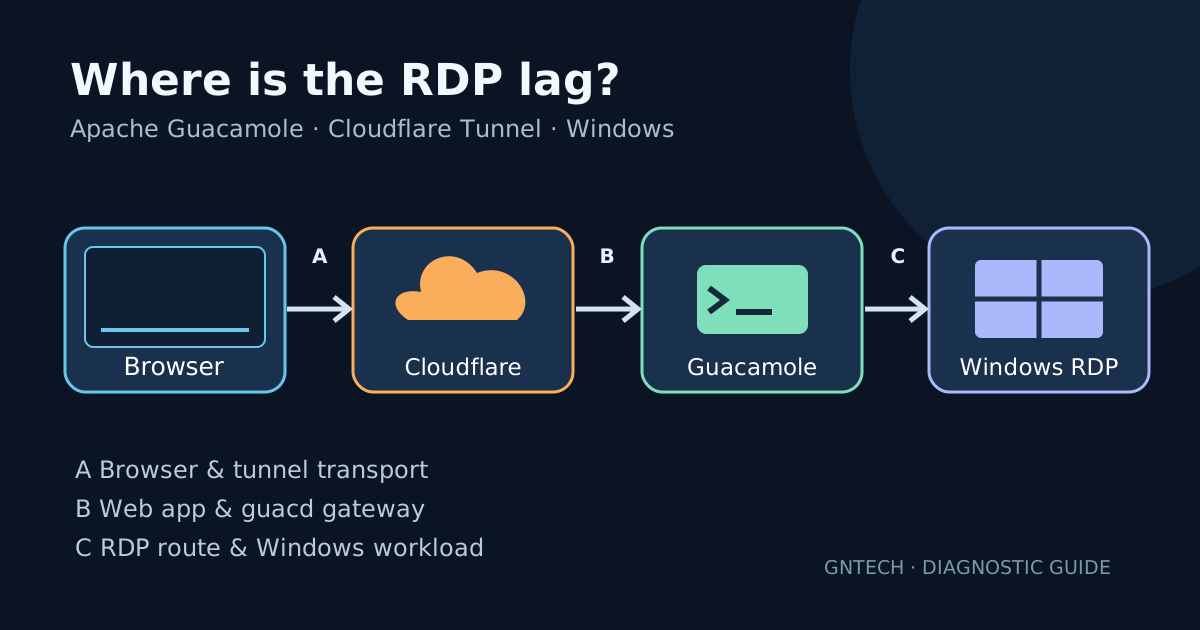
Trace browser-to-tunnel, Guacamole-to-guacd, and guacd-to-Windows paths before changing settings. Includes safe diagnostics and an A/B test worksheet.
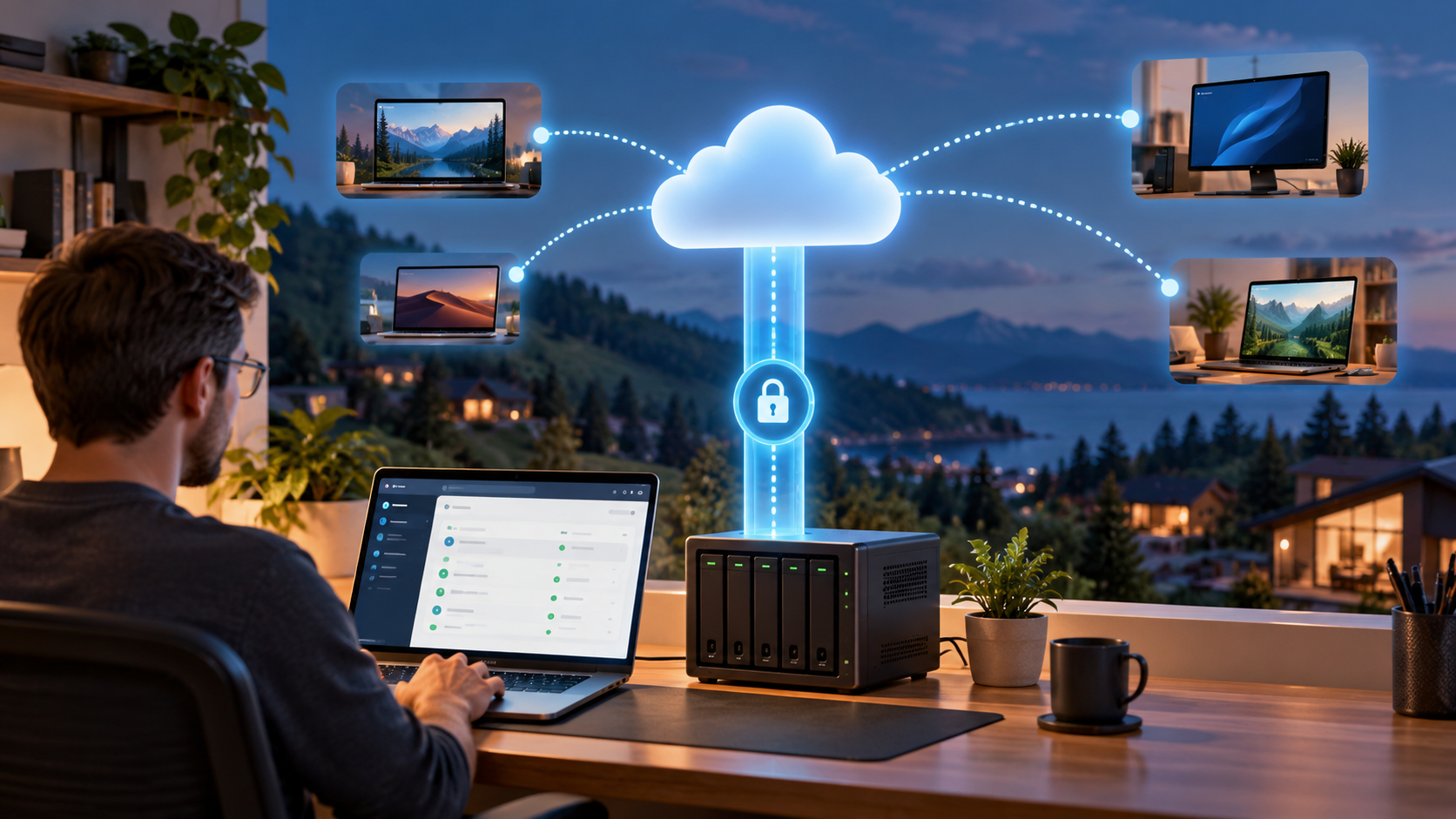
A practical Linux deployment with a loopback-only origin, private administrator bootstrap, persistent data, and separate checks for the browser, agents, and remote sessions.
One guide to a Git-based homelab documentation site: project setup, useful runbooks, static builds, Docker hosting, and optional search and versioning.
Learn Linux cgroups v2 for Docker resource control: memory.max and memory.hard limits, CPU quotas, I/O throttling, PSI monitoring, and compose deploy.resources configs. Includes real container debugging and OOM prevention.
Replace K3s default Flannel with Cilium CNI for accelerated eBPF networking, remove kube-proxy, gain Hubble observability, and enforce identity-based network policies in a lightweight homelab cluster.
Compare runc and crun container runtimes for Docker on Linux. Benchmark startup times, memory profiles, and io_uring performance. Switch runtimes in ~60 seconds with a daemon.json change.
Everything about Docker’s overlay2 storage driver — how overlay layers work, tracking disk usage by layer, recovering space from dangling layers, and performance tuning on ZFS-backed Proxmox hosts. Real commands, real output.
Deploy Paperless-ngx with Docker Compose in your homelab. Covers OCR processing, ML-based document classification, consumption templates, automated ingestion, and Traefik reverse proxy integration.
Deploy Prometheus, Grafana, cAdvisor, and node_exporter via Docker Compose for full homelab monitoring. Real configs for metrics collection, dashboards, and alerting.